How to Start an Online Retail Business
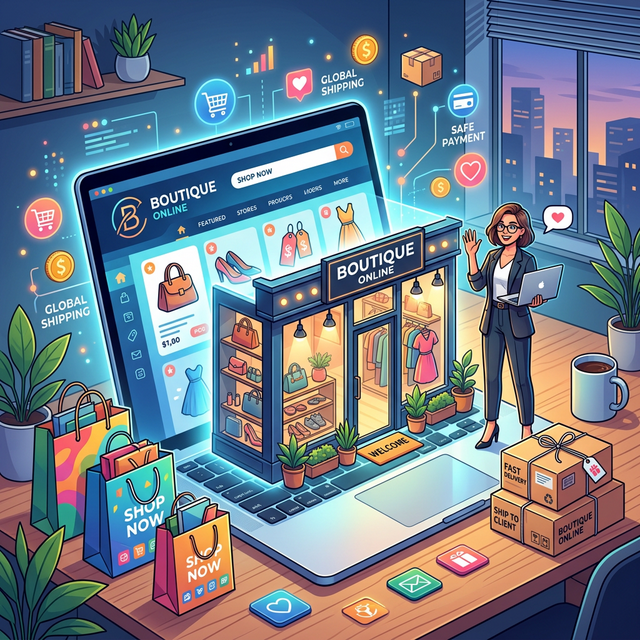
The barrier to entry for retail has never been lower thanks to e-commerce platforms. However, succeeding in online retail takes strategic planning. Here is how to start your online retail business.
1. Identify Your Niche
Don't try to be the next Amazon. It is nearly impossible to compete broadly on price and shipping speed against giants. * **Action**: Find a specific niche. Instead of selling "clothes," sell "sustainable activewear for pregnant women." A defined niche allows you to target your marketing efficiently.
2. Source Your Products
You need reliable goods to sell. * **Options**: * *Dropshipping*: You sell the item, but a third-party supplier handles holding the inventory and shipping it directly to the customer. Low risk, but low margins and less control over quality. * *Wholesale*: Buying products in bulk directly from manufacturers at a discount and storing them yourself. Higher margins but requires upfront capital. * *Manufacturing your own*: Designing and creating custom products. Highest margin potential and brand control, but requires the most effort and investment.
3. Build Your E-commerce Store
Your website is your digital storefront. * **Action**: Choose an e-commerce platform that suits your needs. Ensure your chosen platform integrates seamlessly with your inventory management software so that your physical and online stock levels remain perfectly synchronized. The site must be mobile-friendly and fast.
4. Set Up Operations and Order Fulfillment
How will the product get to the customer? * **Action**: Decide if you will pack and ship orders from your garage or partner with a Third-Party Logistics (3PL) provider. Factor packaging materials, shipping rates, and return policies into your business model early.
5. Market Your Store
"Build it and they will come" does not apply to the internet. * **Action**: Drive traffic through Search Engine Optimization (SEO), engaging social media content (especially visual platforms like Instagram and TikTok for retail), and targeted paid advertising (Google Ads or Meta Ads).